

ABOUT US
History of Islet Transplantation at the Alberta Diabetes Institute
At the Alberta Diabetes Institute (ADI) our legacy of groundbreaking discoveries is rooted in a single, driving mission: turning life-changing medical research into tangible hope and better lives for people living with diabetes worldwide.
Foundations of Discovery (1920s – 1980s)


1921-1922
University of Alberta professor Dr. James Collip played a pivotal role alongside Banting & Best, and John Macleod in purifying insulin for human use.
1979
Dr. Ray Rajotte established a dedicated research program at the University of Alberta focused on islet cryopreservation and isolation.
1989
The team performed Canada’s first human islet transplant. This early work showed the potential that transplanted islets could function in humans.
1990s
Before The Edmonton Protocol
By the late 1990s, fewer than 10% of patients achieved insulin independence. A new approach was needed that harnessed advances in islet isolation and used new drugs to prevent rejection.
1999
The Historic Breakthrough
In March 1999, the team treated the first patient using this new approach.
2000
In July 2000, the team published landmark results in The New England Journal of Medicine, demonstrating 100% insulin independence across seven consecutive recipients. This historic achievement, known globally as the Edmonton Protocol, rejuvenated the field of cell therapy and offered new possibilities for diabetes treatment.
2001
Alberta Health Services designated clinical islet transplantation as a standard of care for selected individuals with Type 1 diabetes experiencing severe hypoglycemia or glycemic lability.
2007
The Alberta Diabetes Institute officially opened its state-of-the-art home within the Li Ka Shing Centre for Health Research Innovation at the University of Alberta.
2024
Long-term follow-up studies, including a 20-year cohort study published in The Lancet Diabetes & Endocrinology, have shown that islet transplantation provides long-term glycemic stability, dramatically reduces life-threatening low blood sugar episodes, and stabilizes microvascular complications.
Present
Today, the Clinical Islet Transplant Program at the University of Alberta Hospital remains the largest program of its kind in the world, having performed over 780 islet transplants for more than 330 recipients in Edmonton and inspiring treatment for over 2,500 patients globally.
While the Edmonton Protocol marked a milestone, ADI researchers are actively advancing next-generation therapies to address key challenges, including limited donor supply and the need for lifelong immunosuppression:
The Next Frontier: Shaping the Future of Cell Therapy
Stem-Cell Derived Islets: Developing scalable, renewable stem cell sources to eliminate reliance on donor pancreases.
Immunomodulation & Treg Therapy: Exploring patient-derived regulatory T cells (Tregs) and bio-scaffolds to protect transplanted cells without system-wide immunosuppressive drugs.
Xenotransplantation: Investigating neonatal porcine islets and protective encapsulation technologies.
Islet Microenvironment & Biology: Unlocking the cellular signaling pathways that drive insulin production and survival, led by multidisciplinary research leaders across the institute.
Through cross-disciplinary collaboration, clinical trial leadership, and community support, the Alberta Diabetes Institute continues to lead global research toward life without insulin injections.
For inquiries about our research, clinical trials, or supporting the Alberta Diabetes Institute, please visit the Alberta Diabetes Institute Website.
The People Behind the Project
Dr. Peter Senior is a Professor of Medicine at the University of Alberta, where he serves as the Director of the Alberta Diabetes Institute and Medical Director of the Clinical Islet Transplant Program. Since joining the team in 2002, he has provided dedicated care to over 300 islet transplant recipients. A passionate advocate for his patients, Dr. Senior is widely recognized for his leadership in improving the quality of life for those living with type 1 diabetes. His work reflects a lifelong dedication to combining advanced medical innovation with compassionate, patient-centered care.
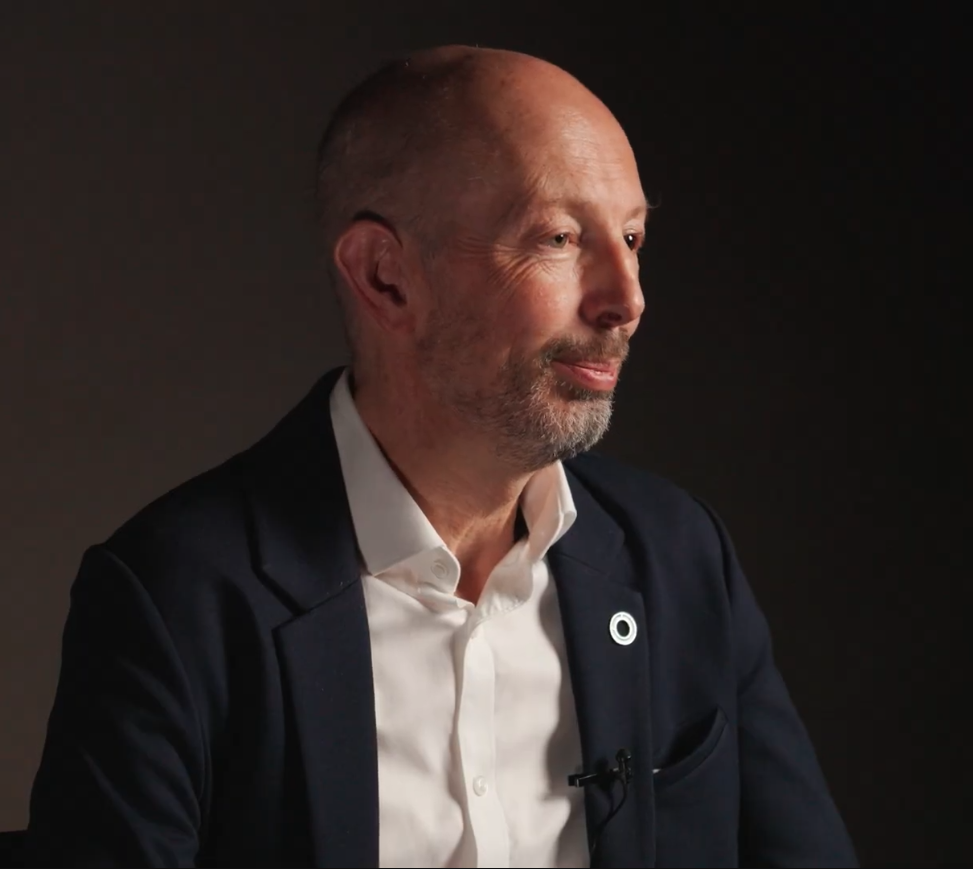
DR. PETER SENIOR, MBBS PhD
Ms. Lucciantonio is a Certified Diabetes Educator with expertise in Automated Insulin Delivery for Type 1 Diabetes. She is working towards her PhD exploring experiences of people living with Type 1 Diabetes and the impact of technology and cell therapies on people’s lives beyond glycemia.

ROBIN LUCCIANTONIO, RD, CDE
Dr. Crossman is a nurse researcher based at Memorial University. She has expertise in exploring the qualitative experience of people living with diabetes (and other diseases) and their interaction with the healthcare system. She has lived experience of diabetes.
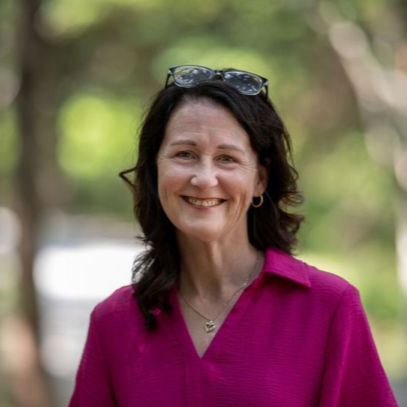
DR. RENEE CROSSMAN, RN, PhD
Co-Applicants:
Dr Anna Lam, Alberta Diabetes Institute; Dr Rachel Reeve, Diabetes Canada
Collaborators:
Dr J Boisvenue, Dr A Carr, Dr K Doucette, K Gibson, T McQuire, Dr R Yeung
CIHR, Breakthrough T1D Knowledge Mobilization in Diabetes Prevention, Treatment Operating Grant (FRN 196999) Alberta Diabetes Foundation
Financial Support:
Videography: Moving Artistry
Webdesign: Learning Design Studio, University of Alberta
Acknowledgements:
Interested in the Transplant Journey?
Click below to see the full progression of the patient journey through each stage starting with T1D diagnosis.